
Why people from Konya object to calling etli ekmek "pide", and how a good one is made.
The most common mistake guests from outside Konya make is to describe etli ekmek as a "long pide". Say that to someone from Konya and you will be corrected, politely but firmly: etli ekmek is one thing, pide is another. Here is the difference, from dough and filling to oven and serving.
Dough
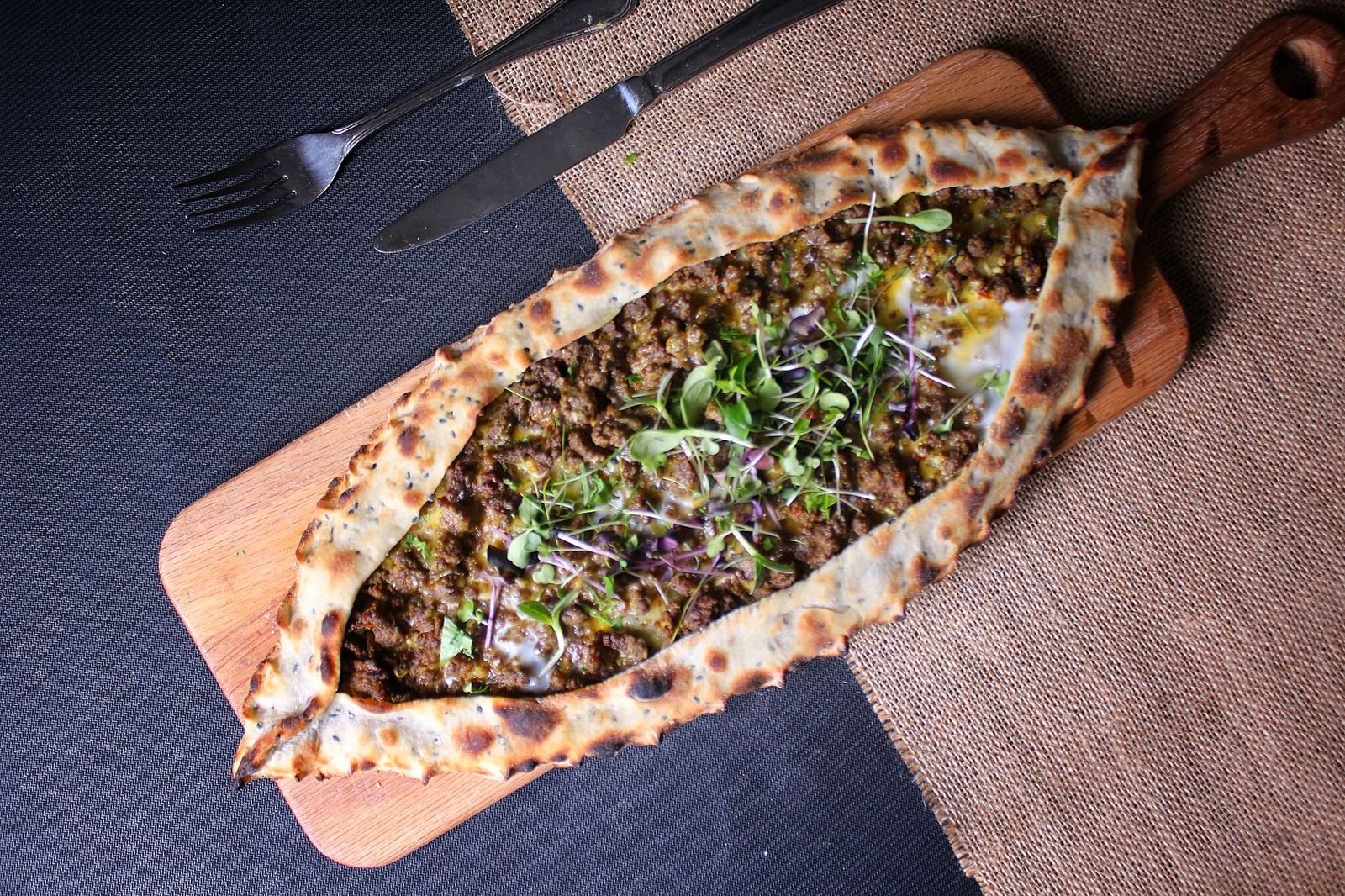
Pide dough is rolled relatively thick, its edges folded into a boat shape with the filling inside. Etli ekmek dough is rolled very thin, almost as thin as yufka, and the edges are not folded. It is shaped into a strip about a metre long and 20–25 centimetres wide, and the filling is spread in a thin layer right to the edges. Baked, the bottom is crisp and the edges thin and brittle.
Filling
The filling is mince from lamb or beef shoulder and brisket, chopped with a zırh knife or ground through a coarse plate. Finely chopped onion, tomato, green pepper, parsley and salt are added; Konya cooks use very little spice, because the flavour meant to shine is the meat. Twenty percent of our mince is tail fat, which melts into the dough in the oven and crisps the base.
The oven
Etli ekmek is baked in long wood-fired ovens with stone floors. Traditional etli ekmek ovens in Konya are 6–8 metres deep with the fire burning along one side. With a long wooden peel the baker slides the bread into the hottest part of the oven, then turns it after a few minutes to bring the other side to the fire. It bakes in 5–6 minutes. Our ovens burn oak and beech.
Cutting and serving
Out of the oven, the etli ekmek is sliced crossways with a long knife on the baker's table and the slices are folded and stacked on the serving plate. It comes with charred or raw green peppers, tomato, lemon and, always, plenty of frothy churned ayran. In Konya it is eaten by hand, each slice rolled up and bitten.
Bıçak arası and cheese
Two more members of Konya's etli ekmek family deserve a mention. For bıçak arası the meat is chopped by knife into larger pieces, so the filling is thicker and meatier. For cheese etli ekmek, Konya's salty white cheese and butter replace the mince or join it. At Odunköz all three are baked in the same oven by the same bakers.
What goes with etli ekmek?
In Konya, etli ekmek's best friend is churned ayran; its tangy froth balances the richness of the tail fat. In winter a bowl of okra soup is a must. Squeezing lemon over the bread and eating it with charred peppers is a local habit too. Some guests like to round off with a glass of tea before dessert; the tea is always brewed at our bakery.
So what about pide?
Pide is on our menu too, and we love it. Our pides with diced meat, mince, kaşar or sucuk come in a boat shape with thicker dough and butter brushed down the middle. But never serve a Konya guest pide in place of etli ekmek; that is the first rule of hospitality here.
Related Posts
Konya Fırın Kebabı: Three Hours in a Wood Oven
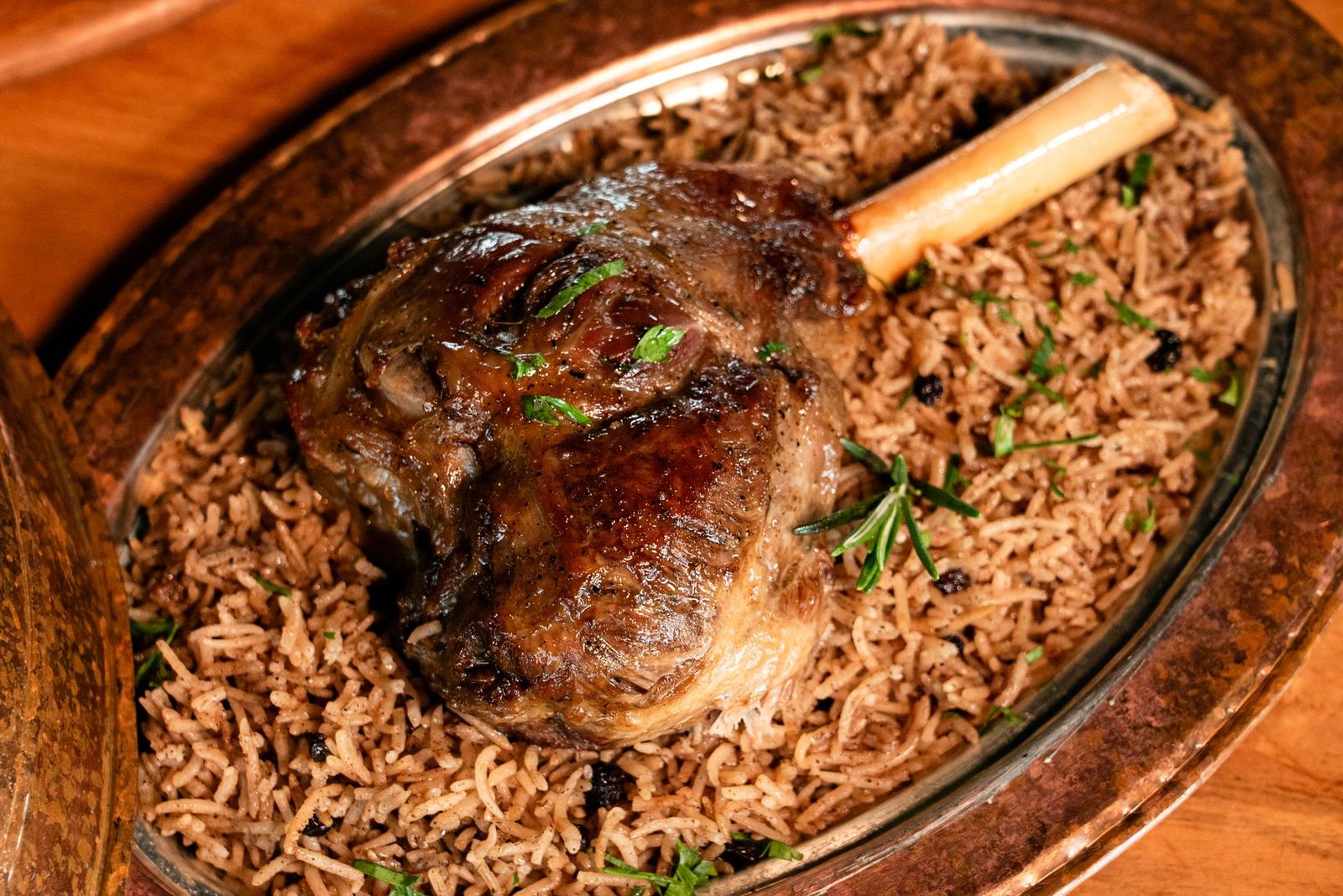
How Konya's fırın kebabı, the centrepiece of wedding and holiday tables, is made and served.
Read More